
A risk, threat, and vulnerability assessment is a structured examination of the conditions that could harm an organization, facility, event, person, or journey. It identifies credible threats, examines vulnerabilities that could increase exposure, evaluates the potential consequences, and produces an actionable risk treatment plan.
The purpose is not to predict every possible incident or eliminate uncertainty. A professional security risk assessment helps decision-makers understand what could happen, what matters most, and where resources can be used effectively.
Samaritan Protective Services' Risk Advisory division provides bespoke assessments for facilities, events, individuals, organizations, and global travel. Our assessments combine recognized risk management practices with intelligence, stakeholder collaboration, and real-world operational experience.
What Is the Difference Between Risk, Threat, and Vulnerability?
Although these terms are often used interchangeably, each has a distinct meaning.
A threat is a person, event, condition, or hazard capable of causing harm. Threats may include criminal activity, targeted violence, civil unrest, political instability, natural disasters, medical emergencies, infrastructure failure, insider activity, or conduct that could lead to reputational harm.
A vulnerability is a weakness or condition that increases exposure to a threat. Examples include inadequate access control, an isolated location, limited medical support, an exposed travel itinerary, unreliable communications, or insufficient emergency procedures.
In a security context, risk considers how a threat could exploit a vulnerability and affect the client's objectives. It takes into account factors such as likelihood, potential consequences, existing safeguards, and the client's ability to tolerate the outcome.
For example, severe weather may be a threat to a remote operation. Limited roads, unreliable communications, and a lack of medical support are vulnerabilities. The resulting risk could include injury, interrupted operations, an inability to evacuate, financial loss, and reputational damage.
What Does a Security Risk Assessment Include?
Samaritan begins each assessment with a detailed intake involving the relevant stakeholders. This allows us to understand the operating environment, mission intent, assets, concerns, existing safeguards, and decisions the client needs to make.
We also discuss risk appetite and tolerance. Risk appetite describes the amount and type of risk an organization is willing to accept while pursuing its objectives. Risk tolerance helps establish how much exposure is acceptable in a specific situation.
The assessment may include a combination of on-site work, off-site research, threat intelligence, document review, stakeholder interviews, collaborative analysis, and product development. The scope is based on the client's requirements rather than a generic checklist.
Assessors identify credible threats, examine vulnerabilities, review existing controls, and evaluate the likelihood and potential consequences of different scenarios. Findings are then prioritized so decision-makers can distinguish immediate concerns from risks that can be monitored or addressed over time.
How Are Identified Risks Treated?
A risk assessment should do more than describe problems. It should produce a practical treatment plan.
Depending on the circumstances, a risk may be mitigated, avoided, transferred, monitored, or accepted. The appropriate response is based on several factors, including the severity of the threat, potential consequences, existing controls, operational requirements, available resources, and the client's risk tolerance.
The objective is not to recommend the largest security presence or most expensive technology. It is to recommend proportionate measures that reduce exposure while supporting the client's mission.
What Types of Risk Assessments Does Samaritan Provide?
A facility risk assessment may examine perimeter security, access control, surveillance, visitor procedures, staffing, emergency planning, critical infrastructure, communications, and operational dependencies.
An event risk assessment may address the venue, attendees, public profile, crowd behavior, demonstrations, transportation, severe weather, medical response, unauthorized access, evacuation, and the presence of high-profile guests.
A personal risk assessment may consider an individual's public visibility, professional responsibilities, routines, known threats, residences, workplace, family exposure, online information, and travel.
A travel risk assessment evaluates more than a country's general risk rating. It may consider the traveler, destination, itinerary, mission, transportation, accommodations, medical requirements, local infrastructure, communications, political conditions, cultural considerations, and contingency options.
A destination that may be manageable for one traveler could create significant exposure for another because of health, nationality, occupation, public profile, or mission.
How Do ISO 31000 and ISO 31030 Apply?
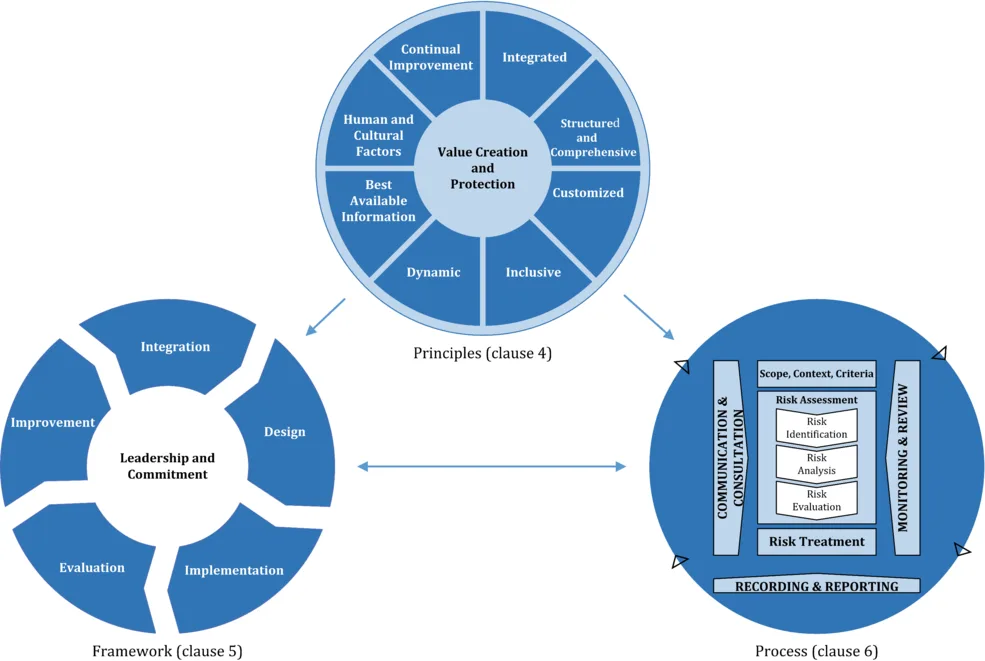
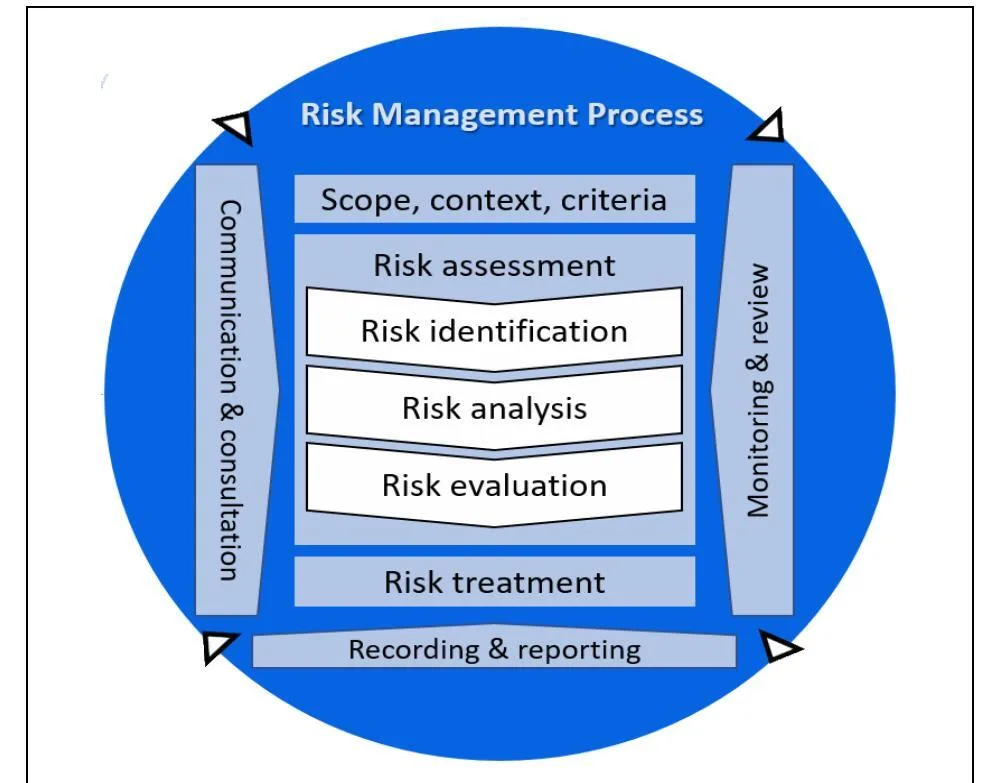
Samaritan's methodology is informed by recognized risk management practices, including ISO 31000:2018 and ISO 31030:2021.
ISO 31000:2018 provides principles and guidance for identifying, analyzing, evaluating, treating, communicating, monitoring, and reviewing risk. ISO 31030:2021 provides guidance specifically for organizational travel risk management.
These standards create a valuable structure, but they do not replace professional judgment. A framework cannot independently determine which threats are credible, how local conditions affect a mission, or whether a recommendation will work in practice. Those determinations require training, analysis, stakeholder engagement, and real-world experience.
What Does the Client Receive?
Deliverables are tailored to the engagement but may include an executive summary, risk matrix, threat register, and risk treatment plan.
The executive summary communicates the most consequential findings to leadership. The risk matrix helps prioritize exposure. The threat register documents relevant threats, while the treatment plan turns the findings into practical recommendations.
Samaritan can hand these recommendations directly to decision-makers or help implement them through policy development, procedural updates, planning, and other organizational safeguards.
Can Risk Assessments Address Reputational Harm?
Not every serious risk involves physical injury or property damage. Reputational harm, loss of stakeholder confidence, service disruption, information exposure, and failure to meet duty of care responsibilities can be equally damaging.
Samaritan recently provided a risk assessment for an NGO operating in a remote area of Latin America. Risks to personnel included natural disasters, limited critical infrastructure, restricted medical support, and the challenges associated with operating in an isolated location.
The assessment also considered communications, access to assistance, continuity of services, responsibilities to personnel, and the reputational consequences of an inadequate response. This demonstrated how a single event can create physical, medical, logistical, operational, and reputational risks simultaneously.
When Should an Organization Request a Risk Assessment?
An assessment may be appropriate when opening a facility, entering a new market, planning a significant event, sending personnel into an unfamiliar environment, protecting a high-profile individual, responding to a threat, or reviewing an outdated security program.
It can also help before making a major security investment. Without a clear understanding of the underlying risks, an organization may spend money on personnel or technology that does not address its most important vulnerabilities.
The timeline is tailored to the scope, geography, urgency, research requirements, and complexity of the engagement. Assessments should also be reviewed when the mission, itinerary, facility, personnel, or threat environment changes.
Can a Risk Assessment Eliminate Every Risk?
No assessment can eliminate all risk. Instead, it makes risk more visible, understandable, and manageable.
The quality of a security decision depends on the quality of the information behind it. Templates and scoring systems can organize information, but they cannot replace an experienced assessor's ability to identify credible threats, challenge assumptions, evaluate real-world controls, and develop practical recommendations.
Samaritan has provided risk advisory support for media productions, global travel in hostile and complex environments, political elections, facilities, events, organizations, and individuals. Our work combines industry-recognized practices with experience gained in real operating environments.
If your organization is preparing for a consequential decision, entering an unfamiliar environment, or questioning whether its existing safeguards are sufficient, a professional assessment can provide the clarity needed to move forward.
Next Step
Request a bespoke Risk Advisory consultation by calling Samaritan Protective Services at 866-906-2334 or visiting the Contact Samaritan page.