
In today's interconnected world, where digital transactions and communication have become the norm, high net worth individuals (HNWIs) and VIPs are increasingly targeted by cybercriminals seeking financial gain, sensitive information, or even personal disruption. These individuals, with their significant assets and influential positions, stand as prime targets for a range of cyber threats, including phishing scams, social engineering tactics, ransomware attacks, and insider threats. Understanding these threats and implementing robust protection measures is paramount in safeguarding their wealth, reputation, and personal safety.
Cyber Security Threats Targeting HNWIs and VIPs
Phishing Attacks
Phishing remains one of the most pervasive cyber threats targeting individuals across all strata of society, including HNWIs and VIPs. Cybercriminals deploy deceptive tactics to impersonate legitimate entities, such as financial institutions, government agencies, or trusted contacts, in an attempt to obtain sensitive information like login credentials, financial details, or personal data. These attacks are often delivered via fraudulent emails, text messages, or social media messages, designed to lure victims into clicking malicious links or disclosing confidential information unwittingly.
Social Engineering
Social engineering tactics manipulate human psychology to exploit trust, authority, or fear, ultimately tricking individuals into divulging sensitive information or performing actions that compromise security. Cybercriminals may employ sophisticated strategies, such as pretexting, baiting, or tailgating, to manipulate victims into disclosing confidential information or granting unauthorized access to systems or accounts. High net worth individuals and VIPs, with their extensive networks and influential positions, are particularly susceptible to these targeted social engineering attacks.
Ransomware
Ransomware attacks have evolved into a highly lucrative form of cybercrime, targeting not only organizations but also high profile individuals, including HNWIs and VIPs. These attacks involve malicious software that encrypts valuable data on the victim's devices, rendering it inaccessible until a ransom is paid. Cybercriminals exploit the victim's fear of data loss or reputational damage, demanding exorbitant ransom amounts for the decryption key. Given their access to sensitive information and financial resources, HNWIs and VIPs are prime targets for ransomware attacks, posing significant risks to their assets and reputation.
Insider Threats
Insider threats, whether intentional or unintentional, pose a significant risk to the security of HNWIs and VIPs. Trusted individuals within their inner circle, including employees, contractors, or even family members, may exploit their access to sensitive information for personal gain, financial motives, or malicious purposes. Insider threats could involve data theft, espionage, or sabotage, jeopardizing the confidentiality, integrity, and availability of critical assets and information.
Strategies for Protecting Against Cyber Threats
Cybersecurity Awareness
Education is paramount in mitigating cyber risks. High net worth individuals and VIPs should invest in cybersecurity training and awareness programs for themselves and their inner circle. By staying informed about the latest cyber threats, security best practices, and emerging trends, they can enhance their resilience against potential attacks and minimize the likelihood of falling victim to scams or malicious activities.
Strong Authentication Measures
Implementing robust authentication measures, such as multi-factor authentication (MFA), biometric authentication, or hardware tokens, can significantly enhance the security of accounts and devices. By requiring multiple forms of verification, such as passwords, biometric data, or one time codes, these measures make it more difficult for cybercriminals to gain unauthorized access, even if they obtain login credentials through phishing or other means.
Secure Communication Channels
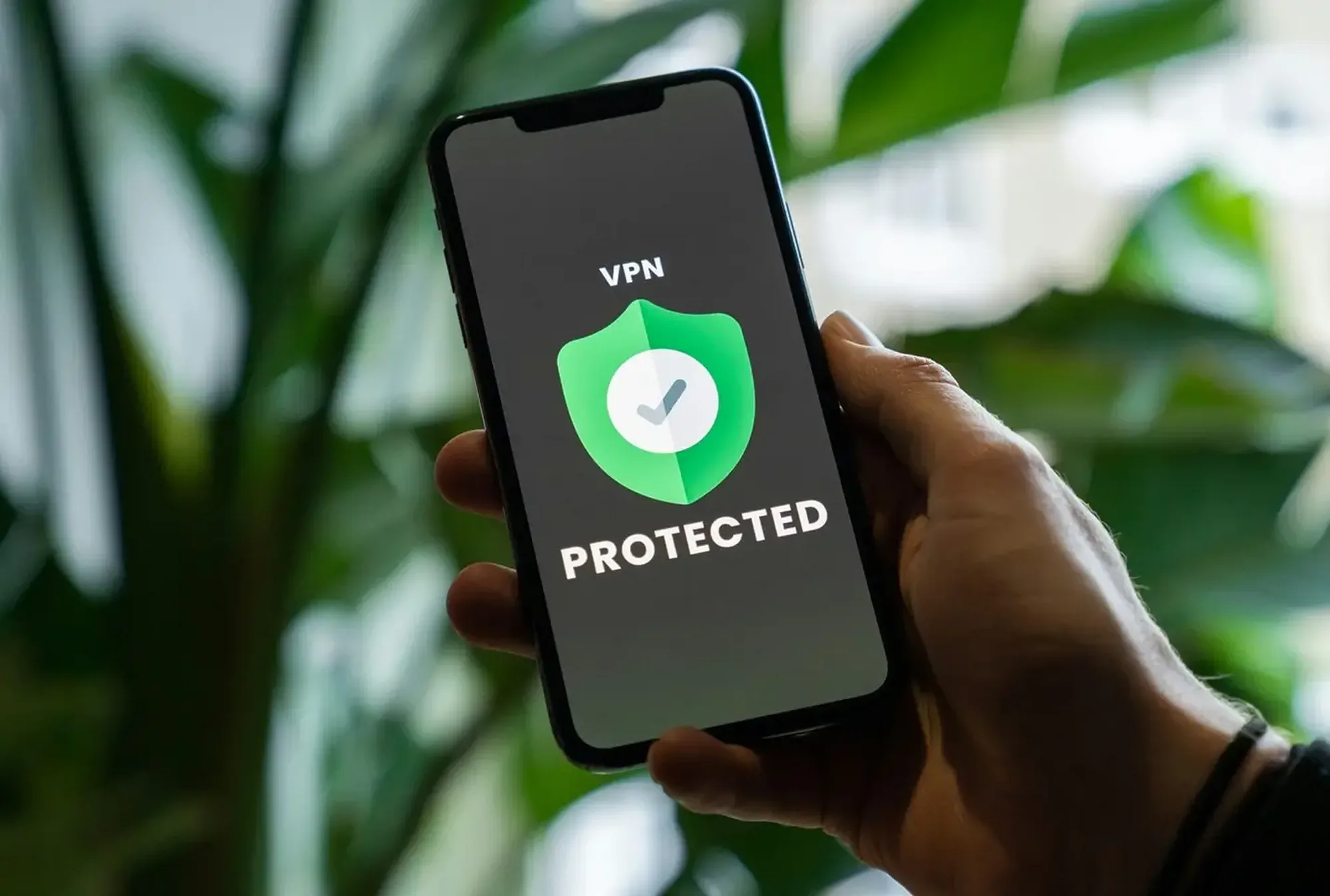
Utilizing secure communication channels, such as encrypted messaging apps, virtual private networks (VPNs), or secure email services, can help protect sensitive conversations and data from interception or eavesdropping by cybercriminals. Encrypted communication ensures that messages and information remain confidential and tamper-proof, safeguarding the privacy and integrity of sensitive communications.
Regular Security Audits
Regularly auditing security measures and conducting vulnerability assessments can help identify and address any potential weaknesses in systems, processes, or controls. High net worth individuals and VIPs should enlist the services of cybersecurity professionals to assess their security posture, identify potential vulnerabilities, and implement remediation measures to mitigate risks effectively.
Identifying Signs of Phishing or Hacking
Suspicious Emails or Messages
Be vigilant for signs of phishing emails or messages, including unsolicited requests for sensitive information, urgent calls to action, or unfamiliar sender addresses. Exercise caution when clicking on links or downloading attachments from unknown sources, as these could be indicators of phishing attempts aiming to compromise security or steal sensitive information.
Unexpected Account Activity
Monitor financial accounts, online profiles, and digital assets for any unusual activity, such as unauthorized transactions, changes to account settings, or suspicious login attempts. Report any suspicious activity to the relevant authorities immediately and take prompt action to secure compromised accounts or assets to prevent further damage or loss.
Unusual Device Behavior
Pay attention to any unusual behavior or performance issues with devices, such as unexpected pop-ups, slow performance, or unexplained changes in settings. These could be indicators of malware infections, unauthorized access, or other security breaches that require immediate attention and remediation to prevent further compromise or damage.
Trust Your Instincts
Trust your instincts and exercise caution when interacting with unfamiliar individuals, requests, or situations, especially if they seem too good to be true or create a sense of urgency. When in doubt, verify the authenticity of requests through independent channels, such as official websites, contact numbers, or in-person interactions, before taking any action that could compromise security or privacy.
In conclusion, high net worth individuals and VIPs face a myriad of cyber threats in today's digital landscape, ranging from phishing scams and social engineering tactics to ransomware attacks and insider threats. By understanding these threats, implementing robust protection measures, and remaining vigilant for signs of phishing or hacking attempts, they can effectively safeguard their assets, reputation, and personal safety against cybercriminals. In an ever-evolving threat landscape, proactive cybersecurity measures and continuous vigilance are essential to mitigate risks and ensure resilience against emerging cyber threats. Remember, when it comes to cybersecurity, prevention is always better than cure.