
From diplomatic garden parties and embassy receptions to corporate gatherings and political functions, effective event security requires careful planning, professional personnel, and the ability to respond when circumstances change.
Organizing a successful corporate, diplomatic, or political event involves more than coordinating guests, selecting a venue, and arranging logistics. Event organizers must also consider the safety of attendees, access control, potential security threats, emergency preparedness, and the operational challenges that can arise when large numbers of people gather.
Professional event security planning involves identifying potential threats, assessing vulnerabilities, and implementing appropriate measures to protect guests, personnel, and event operations. The level of security required depends on several factors, including the event's size, location, guest profile, public visibility, and overall risk environment.
Since 2015, Samaritan Protective Services has provided security and risk management services for corporate functions, diplomatic receptions, political gatherings, and other high-profile events. Our experience includes supporting large diplomatic garden parties and embassy celebrations attended by thousands of guests, where security must operate alongside formal protocols, hospitality requirements, and complex logistics.
Unlike providers focused exclusively on security staffing, Samaritan combines experienced protective personnel, professional risk assessments, walk-through magnetometers, and intelligence and operational support through our 24/7 Global Security Operations Center (GSOC). This integrated approach helps clients prepare for potential challenges while maintaining a professional and welcoming environment.
Why Event Security Planning Matters
No two events present exactly the same security requirements. A private corporate reception involving senior executives may require protective measures that differ considerably from those needed for a large outdoor diplomatic celebration or political gathering.
Attendance numbers are important, but they are not the only consideration. The prominence of guests, accessibility of the venue, nature of the event, surrounding environment, and potential for disruptive activity all influence security requirements.
A diplomatic reception, for example, may involve ambassadors, government representatives, military officials, and other distinguished guests. Political events may attract public attention, demonstrations, or individuals whose activities warrant additional security considerations. Corporate events can involve confidential discussions, prominent executives, or high-value assets.
Even events without elevated security concerns can experience medical emergencies, severe weather, unauthorized access, or transportation disruptions.
Effective planning addresses these possibilities before they become operational problems. It also helps organizers determine which security measures are necessary and where resources can be used most effectively.
At Samaritan, our objective is not simply to provide security personnel. It is to understand the event, identify credible risks, and develop practical measures that support the safety of everyone involved.
Event Risk Assessments: The Foundation of Effective Security
A professional event security plan should begin with an assessment of potential threats, vulnerabilities, and operational risks.
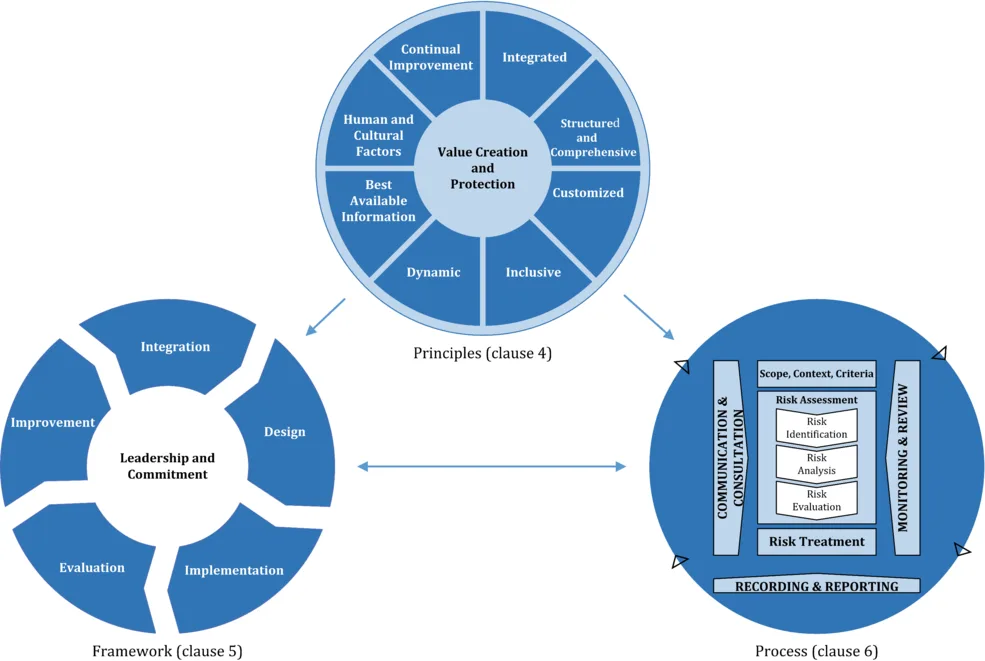
Samaritan's Risk Advisory division utilizes principles established by ISO 31000:2018, an internationally recognized risk management framework, to guide structured assessments and develop appropriate risk mitigation recommendations.
An event security risk assessment typically examines the venue, surrounding environment, access points, anticipated attendance, guest profiles, emergency exits, and existing protective measures. It should also consider crowd movement, vendor access, transportation arrangements, and potential disruptions that could affect the event.
For large outdoor events, additional considerations may include weather conditions, temporary structures, emergency vehicle access, and the movement of guests between different areas of the property.
These assessments are particularly valuable when events involve prominent individuals or substantial numbers of attendees. A venue that functions well during normal operations may present entirely different challenges when several thousand guests arrive within a short period.
The purpose of a risk assessment is not to create unnecessary restrictions or recommend excessive security. It is to provide event organizers with an informed understanding of potential risks and practical options for addressing them.
By identifying vulnerabilities early, organizations can make better decisions about staffing, access control, protective equipment, and emergency procedures.
Access Control and Guest Screening: The Role of Magnetometers
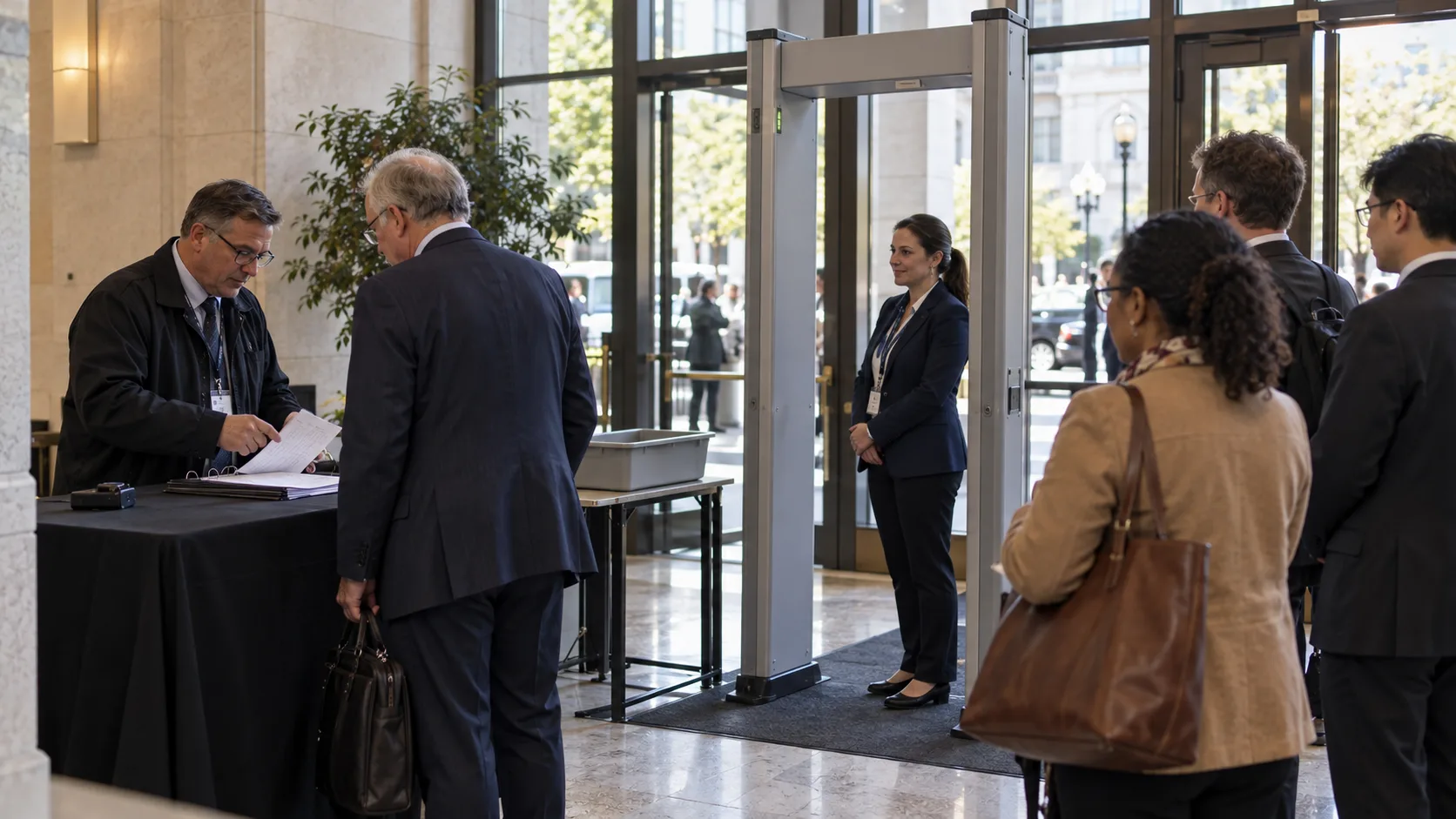
Access control is among the most important components of event security, particularly for invitation-only gatherings and high-profile functions.
Depending on the event's risk profile, access control measures may include guest list verification, identification checks, credential management, bag inspections, and electronic screening equipment.
Samaritan maintains its own walk-through magnetometers and handheld metal detection equipment, allowing our teams to incorporate physical screening into comprehensive event security operations.
These capabilities are particularly valuable for large diplomatic receptions, corporate gatherings, and political events where organizers may require enhanced screening of attendees and their belongings.
However, effective screening involves considerably more than installing equipment at an entrance. Security personnel must be properly trained, screening procedures established, and guest arrival patterns considered.
Poorly planned screening can create lengthy queues, congestion, and unnecessary frustration. At events involving hundreds or thousands of attendees, these challenges can quickly affect the guest experience and create additional operational concerns.
Samaritan works with clients to develop access control procedures appropriate to the venue, anticipated attendance, and identified risks. Our goal is to maintain effective security while allowing guests to enter efficiently and respectfully.
For diplomatic functions, in particular, this balance is essential. Security measures should complement the hospitality and significance of the occasion rather than overshadow them.
How a 24/7 GSOC Supports Event Security
Physical security personnel are essential to event operations, but complex events can also benefit from dedicated intelligence and operational support.
Samaritan maintains a 24-hour, seven-day-a-week Global Security Operations Center (GSOC) that supports protective operations, intelligence monitoring, situational awareness, and operational coordination.
Before an event, our intelligence capabilities can help identify relevant developments such as public safety concerns, severe weather, transportation disruptions, planned demonstrations, or credible threats affecting a venue or its attendees.
During an event, the GSOC can support deployed personnel by monitoring relevant developments, facilitating information sharing, and providing operational assistance when circumstances change.
Consider a large outdoor diplomatic reception. Approaching severe weather could require adjustments to event activities, while a nearby transportation disruption might affect guest arrivals or access procedures. Timely information allows event organizers and security supervisors to evaluate the situation and make informed decisions.
Our in-house intelligence division is supported by Samaritan Vigil™, our protective intelligence platform designed to help security teams monitor emerging developments, conduct research, and maintain situational awareness.
Technology alone does not ensure effective security. Information must be evaluated, communicated, and acted upon by qualified personnel.
By combining on-site security with dedicated intelligence and GSOC support, Samaritan provides clients with additional operational resources that extend beyond traditional security staffing.
Security Considerations for Diplomatic, Corporate, and Political Events
Although the fundamentals of event security remain consistent, different types of events present distinct challenges.
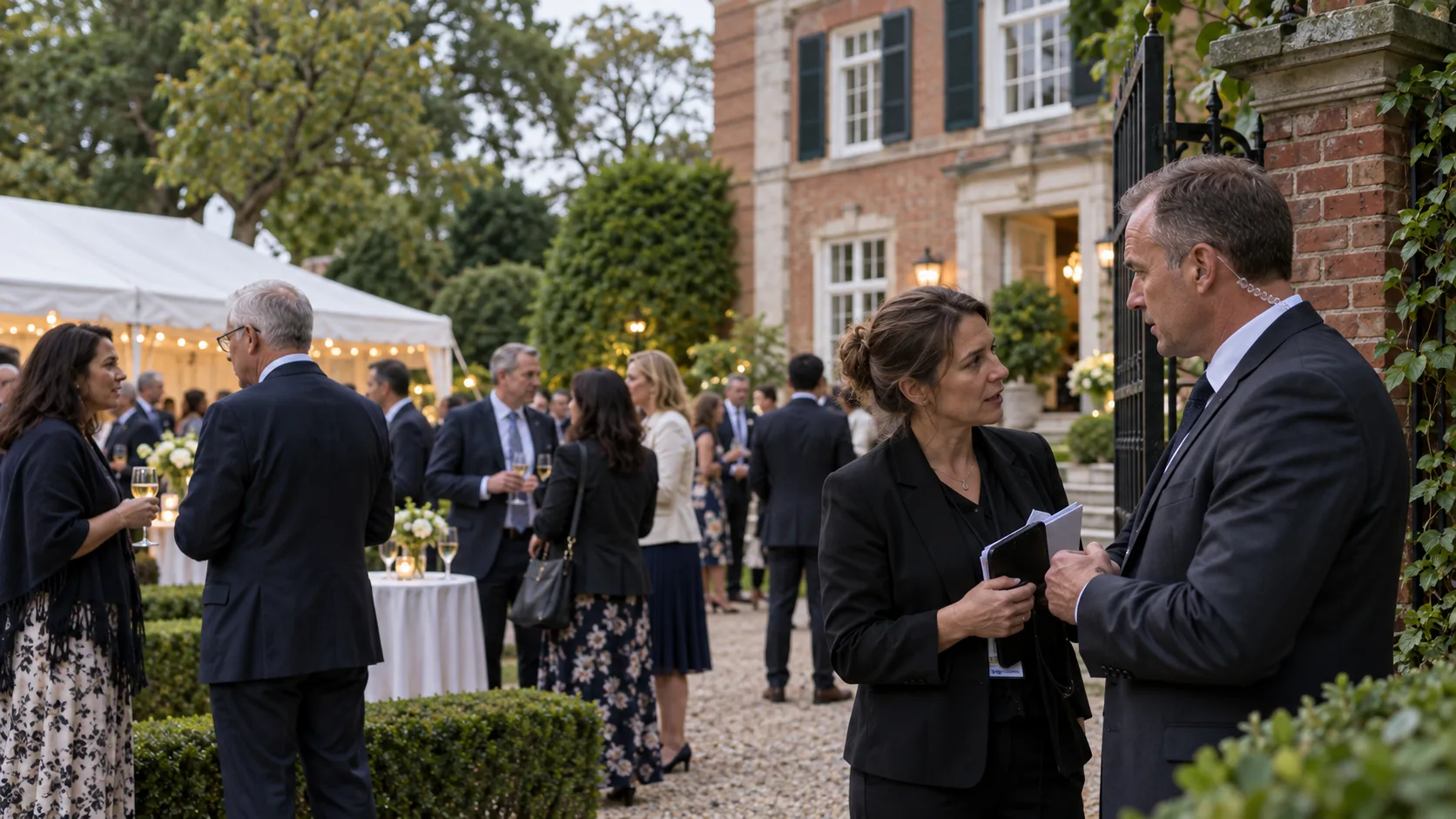
Diplomatic events often involve complex guest lists, formal protocols, distinguished attendees, and coordination among multiple organizations. Large embassy garden parties and national day celebrations may require extensive access control, screening equipment, crowd management, and emergency planning. Security personnel must understand the importance of professionalism, discretion, and cultural considerations.
Corporate events may require additional measures to protect senior executives, confidential activities, or valuable assets. Conferences, shareholder meetings, product launches, and executive gatherings can also require coordination between general event security personnel and specialized executive protection teams. These functions serve different purposes and should be integrated into the broader security plan.
Political events can involve heightened public visibility, media attention, demonstrations, and individuals facing elevated personal security risks. Effective planning must balance protective requirements with lawful public activity and the event's intended purpose. Coordination with existing protective teams, venue management, and appropriate law enforcement agencies may be necessary.
Samaritan's experience across these environments allows us to develop security arrangements based on the actual requirements of each event rather than applying a standardized approach.
Whether supporting a private reception or a large diplomatic celebration, our emphasis remains on preparation, professional conduct, and appropriate risk management.
Choosing the Right Event Security Provider
Selecting an event security company should involve more than comparing hourly rates or the number of available security officers.
Organizations should evaluate a provider's experience with comparable events, ability to conduct risk assessments, personnel qualifications, equipment capabilities, and approach to emergency preparedness.
For larger or higher-profile functions, the availability of walk-through magnetometers, executive protection personnel, protective intelligence, and operations center support can provide additional value.
Event organizers should also consider how the provider coordinates with venue management, event planners, and other stakeholders. Clear communication, established responsibilities, and professional supervision are essential when multiple teams are working together.
A reputable provider should be transparent about its capabilities and limitations, recommend measures proportionate to the risks, and explain why particular resources are necessary.
At Samaritan, we believe successful event security depends on experienced personnel, appropriate equipment, reliable intelligence, and careful operational coordination. Our approach combines these elements while recognizing that security should support the occasion rather than interfere with it.
Frequently Asked Questions About Event Security
How many security officers are needed for a corporate event?
There is no universal staffing formula. Requirements depend on attendance, venue layout, access points, screening procedures, guest profiles, and identified risks. A professional assessment helps determine the appropriate number and type of personnel.
Do diplomatic events require metal detectors?
Not every diplomatic event requires electronic screening. However, walk-through magnetometers and handheld metal detectors may be appropriate for large or high-profile functions when the security assessment identifies a need for enhanced access control.
What does a GSOC provide during an event?
A Global Security Operations Center (GSOC) supports situational awareness, intelligence monitoring, information sharing, and operational coordination. These capabilities help event security teams remain informed and respond appropriately to changing conditions.
When should event security planning begin?
Planning should begin as early as practical, particularly for large diplomatic, corporate, or political events. Early engagement allows time for venue assessments, staffing arrangements, equipment planning, and emergency coordination.
Professional Event Security and Risk Management from Samaritan
Successful events depend on careful preparation, effective coordination, and the ability to manage unexpected developments without unnecessarily disrupting the occasion.
Since 2015, Samaritan Protective Services has supported corporate, diplomatic, and high-profile events with professional security personnel, structured risk assessments, access control equipment, executive protection, and dedicated intelligence capabilities.
Our walk-through magnetometers, experienced operational personnel, and 24/7 GSOC allow us to provide comprehensive security support tailored to the event's requirements.
Whether your organization is planning a diplomatic garden party, corporate conference, political gathering, or private executive reception, Samaritan can help assess the risks and develop an appropriate security plan.
Planning an upcoming event?
Contact Samaritan Protective Services to discuss your security requirements and request a tailored consultation.
Request an Event Security Consultation